




Zimbabwe

COUNTRY PROFILE
Discover Zimbabwe’s outlook, key industries and energy, plus growth opportunities.
Zimbabwe is a landlocked country in Southern Africa with a population of around 17 million people, the majority of whom live in rural areas. Its GDP was estimated at USD 33.3 billion in 2023. The country is implementing an ambitious reform agenda guided by the National Development Strategy 1 (2021–2025) and Vision 2030, which set out a pathway toward upper-middle-income status through strengthened governance, macro-economic stability, inclusive growth, and modern infrastructure. As part of this long-term vision, reliable and sustainable energy supply remains a priority for supporting industrial development and expanding access across the country.


INDUSTRIAL LANDSCAPE
Zimbabwe’s economy is dominated by the service sector, which contributes around half of national GDP. Agriculture and agribusiness remain central to employment, engaging roughly 60% of the population directly or indirectly, and providing a critical source of livelihoods in rural areas. In 2023, agriculture accounted for about 23.8% of total employment, underscoring its continued importance to the country’s socio-economic fabric.
NEED FOR ENERGY EFFICIENCY OF HOUSEHOLD AND COMMERCIAL APPLIANCES
The electrification rate in Zimbabwe is only 44% with 86% of urban households connected and only 28% of rural households. The EE policy measures and market transformation initiatives to increase the uptake of EELA for households and commercial properties will allow for additional households to be connected and a reduction in commercial and residential utility bills.
NEED FOR ENERGY EFFICIENCY OF PRODUCTIVE USE APPLIANCES
For rural households, improved availability of highly efficient and quality off-grid appliances, particularly PUE products, is critical for continued progress in energy access through the development of off-grid and weak-grid renewable energy markets and for poverty reduction. The government views increasing energy access through rural electrification as a significant pillar in enhancing socio-economic development in rural communities.
NATIONAL ENERGY CONTEXT
The industrial sector is the largest consumer of electricity, with approximately 40% of the country’s electricity demand driven by mining and other heavy industries. Improved EE in industry will make the sector more competitive and sustainable while allowing for electricity to be freed up for increased electrification rates in households. Improving energy efficiency will also contribute to climate change mitigation in Zimbabwe, in line with the country Nationally Determined Contribution under the Paris Agreement.
WHERE ICTP TECHNOLOGIES CAN MAKE THE DIFFERENCE

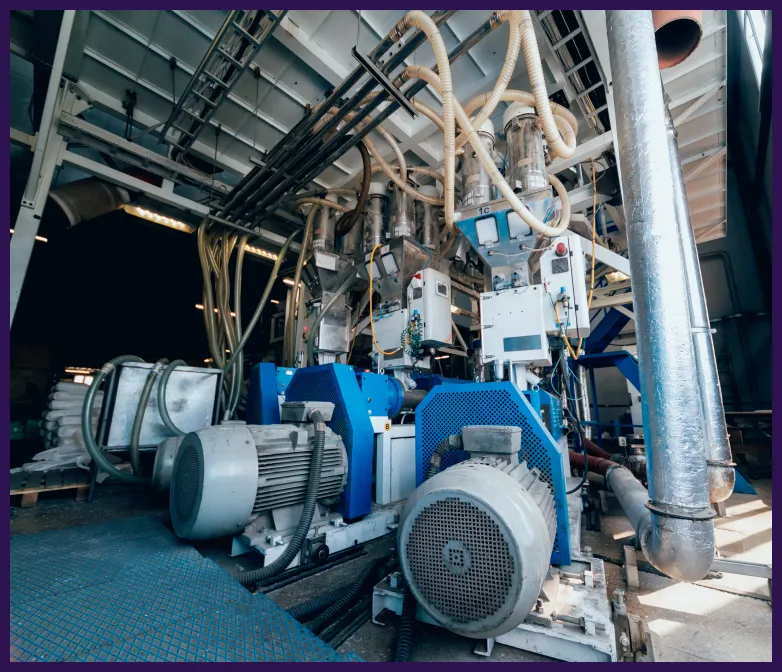
High-efficiency electric motors (IE3/IE4).
Variable Speed Drives (VSDs).
Efficient tea-processing equipment (dryers, withering fans, CTC machines).
High-efficiency industrial boilers (biomass, hybrid, electric).
Improved steam systems (insulation, condensate recovery, efficient burners).
Energy-efficient compressed air systems.
Waste-heat recovery solutions.
Solar thermal systems for industrial heat.
Industrial and commercial heat pumps.
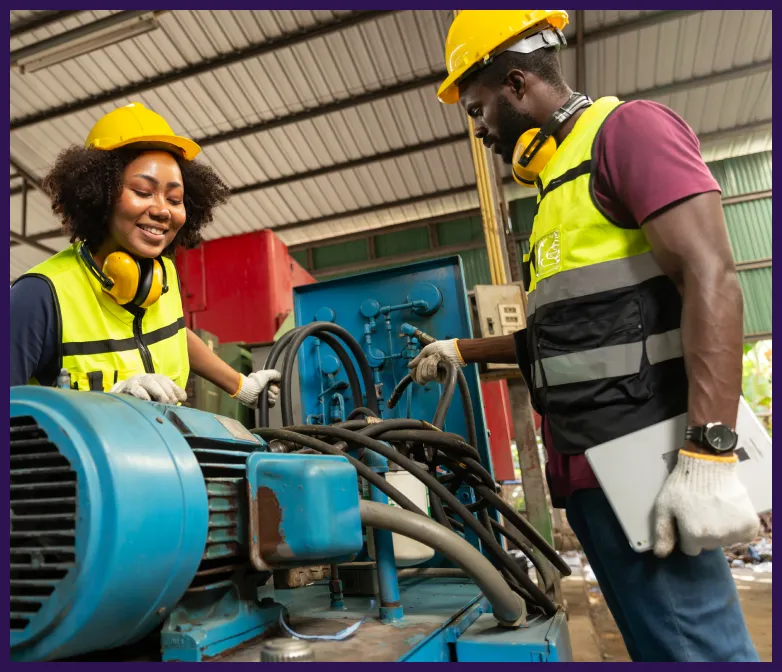
Modern, efficient dryers (tea, grains, fish, fruits).
Solar-powered agro-processing equipment (mills, oil presses, hullers).
Solar or hybrid cold storage and refrigeration.
Energy-efficient cold rooms and climate-friendly refrigeration.
Solar water pumps for irrigation and livestock.
Efficient livestock and poultry equipment.
PUE equipment for aquaculture (aerators, pumps).
High-efficiency appliances (refrigerators, freezers, fans, lighting).
Efficient HVAC systems.
Smart meters and energy-monitoring devices.
Building efficiency solutions (LEDs, insulation, heat-control materials).
Solar PV systems for industrial/commercial self-generation.
Battery storage systems.
Hybrid renewable energy systems (solar + biomass + grid).
Energy Management Systems (EMS) and digital process monitoring.
IoT sensors for energy and equipment performance.
Repair and maintenance toolkits for appliances and solar systems.
Diagnostic tools for electrical and electronic equipment.
E-waste recycling and material-recovery technologies.

OTHER COUNTRIES
Explore country-specific opportunities, stakeholders, and clean-tech priorities.


OUR PARTNERS




JOIN THE PLATFORM
Become part of a growing network of industries, clean-tech providers, energy experts, and financiers working together to accelerate energy-efficient and low-carbon industrial development across Africa.