



Country Zambia

COUNTRY PROFILE
Zambia’s industries rely on natural resources, with growing tech adoption.
Zimbabwe is a landlocked country located in Southern Africa with a population of around 17 million people. The population is predominantly rural with 67.3% of people living in rural areas. The Gross Domestic Product (GDP) was estimated at USD 33.3 billion in 2023 To achieve its Vision 2030 goal of becoming a prosperous middle-income country, Zambia must secure a reliable and sustainable energy supply. Meeting rising electricity demand will require significant investments in new generation capacity, together with broad improvements in how energy is used across the economy. Inefficient equipment remains common in industry, agriculture, commerce, households, and productive-use activities, making efficiency gains essential. Strengthening energy performance across all sectors is therefore critical to enhance energy security, reduce costs, and support Zambia’s long-term development objectives.


INDUSTRIAL LANDSCAPE
Zambia’s economy is anchored in mining, agriculture, manufacturing, and services. With a GDP of USD 28.2 billion in 2023 and solid recent growth, the country remains heavily driven by copper mining, which accounts for about 70% of exports and over half of national electricity use. Agriculture contributes around 20% of GDP and employs the majority of the population, while manufacturing (currently about 8% of GDP) is gradually expanding, particularly in food and agro-processing. National industrial priorities also include leather, textiles, pharmaceuticals, engineering products, and mineral beneficiation, reflecting Zambia’s efforts to diversify and strengthen its industrial base.
AGRICULTURE
Agriculture employs more than half of Zambia’s workforce and is central to rural livelihoods and economic diversification. Yet productivity remains low due to heavy reliance on rain-fed farming and recurring climate shocks—droughts, floods, and extreme temperatures—that continue to undermine food security. Agricultural production and processing are highly energy-intensive, creating significant opportunities for energy-efficient and renewable solutions to reduce costs and strengthen competitiveness.
PRODUCTIVE USE OF ENERGY (PUE)
The market for PUE technologies is still emerging, but the potential is considerable. Solar pumps, electric mills and threshers, milk chillers, and efficient workshop equipment could meaningfully boost productivity, especially for smallholders who still depend largely on manual labour. Small-scale manufacturing also shows strong potential for solar-powered and efficient tools. However, high upfront costs, limited consumer financing, weak supply chains, and the prevalence of low-quality products continue to slow adoption.
E-WASTE
The expansion of off-grid and PUE appliances is driving a rise in e-waste, particularly in rural areas where repair and maintenance services remain scarce. With an estimated 51,000 tonnes of e-waste generated annually, Zambia faces growing environmental and health risks. Strengthening repair networks and establishing recycling and material-recovery systems would extend product lifespans, reduce waste, and create new circular-economy opportunities.
NATIONAL ENERGY CONTEXT
Zambia’s energy system is under growing pressure as industrial expansion, mining activity, and urban development continue to drive up electricity demand. Mining alone accounts for more than half of national consumption, making the industrial sector the country’s largest electricity user. Yet supply remains constrained, and investment levels are not keeping pace with rising demand, leading to widespread outages, high operating costs, and reduced productivity for firms. Improving energy efficiency across industry, commerce, agriculture and households is therefore essential to ease pressure on the grid, lower costs, and support more reliable access, including in rural areas where electrification rates remain low.
Energy efficiency also offers a strategic pathway to support Zambia’s broader development goals. As new multi-facility economic zones and industrial parks expand, decoupling industrial growth from rising energy consumption will be critical for competitiveness and for meeting the country’s climate commitments. Reducing reliance on outdated equipment and adopting efficient technologies can help mitigate power shortages, limit the need for expensive generation investments, and strengthen the resilience of both industry and households.
With buildings and appliances expected to drive future demand, and with most households still relying on inefficient thermal energy uses, scaling up efficient appliances will be central to improving energy access, reducing emissions, and enabling Zambia’s transition toward a more diversified and sustainable industrial economy.
WHERE ICTP TECHNOLOGIES CAN MAKE THE DIFFERENCE

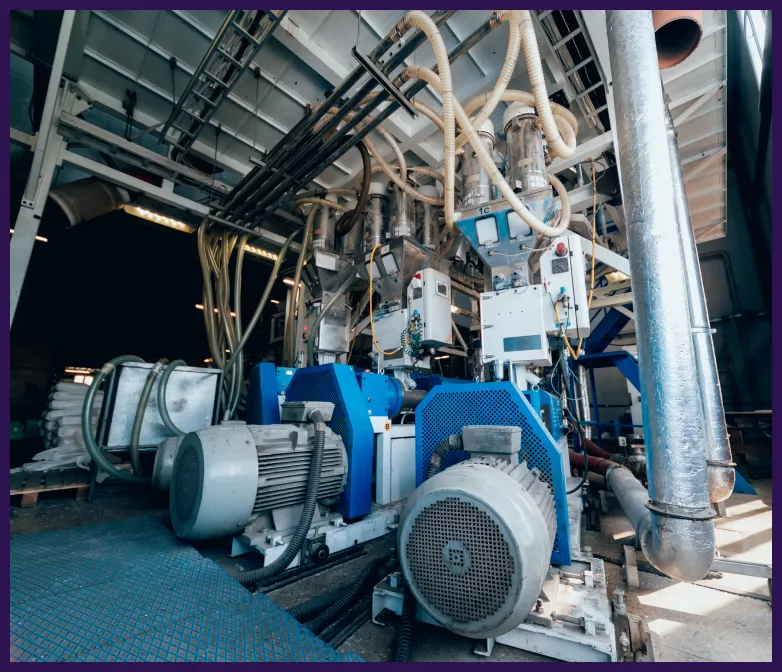
High-efficiency electric motors (IE3/IE4).
Variable Speed Drives (VSDs).
Efficient tea-processing equipment (dryers, withering fans, CTC machines).
High-efficiency industrial boilers (biomass, hybrid, electric).
Improved steam systems (insulation, condensate recovery, efficient burners).
Energy-efficient compressed air systems.
Waste-heat recovery solutions.
Solar thermal systems for industrial heat.
Industrial and commercial heat pumps.
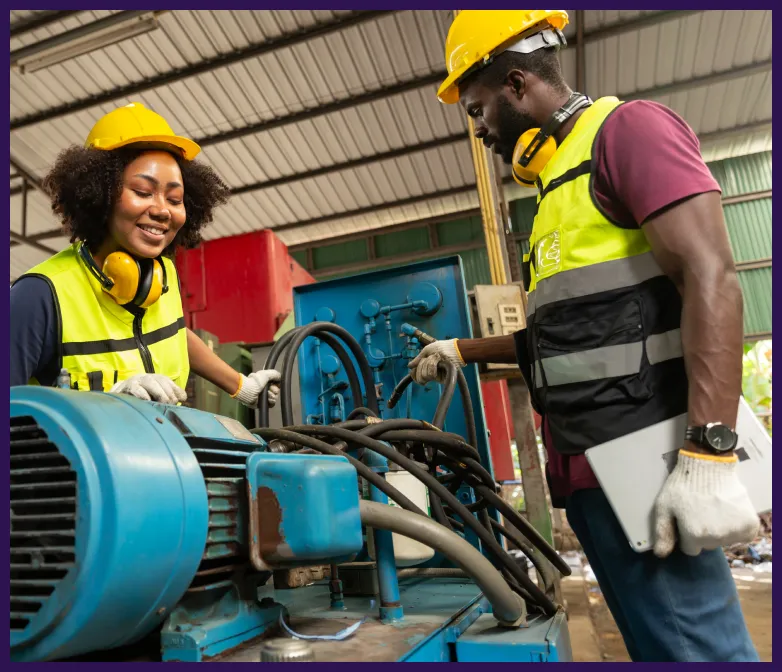
Modern, efficient dryers (tea, grains, fish, fruits).
Solar-powered agro-processing equipment (mills, oil presses, hullers).
Solar or hybrid cold storage and refrigeration.
Energy-efficient cold rooms and climate-friendly refrigeration.
Solar water pumps for irrigation and livestock.
Efficient livestock and poultry equipment.
PUE equipment for aquaculture (aerators, pumps).
High-efficiency appliances (refrigerators, freezers, fans, lighting).
Efficient HVAC systems.
Smart meters and energy-monitoring devices.
Building efficiency solutions (LEDs, insulation, heat-control materials).
Solar PV systems for industrial/commercial self-generation.
Battery storage systems.
Hybrid renewable energy systems (solar + biomass + grid).
Energy Management Systems (EMS) and digital process monitoring.
IoT sensors for energy and equipment performance.
Repair and maintenance toolkits for appliances and solar systems.
Diagnostic tools for electrical and electronic equipment.
E-waste recycling and material-recovery technologies.

OTHERS COUNTRIES
Explore country-specific opportunities, stakeholders, and clean-tech priorities.


OUR PARTNERS





JOIN THE PLATFORM
Become part of a growing network of industries, clean-tech providers, energy experts, and financiers working together to accelerate energy-efficient and low-carbon industrial development across Africa.